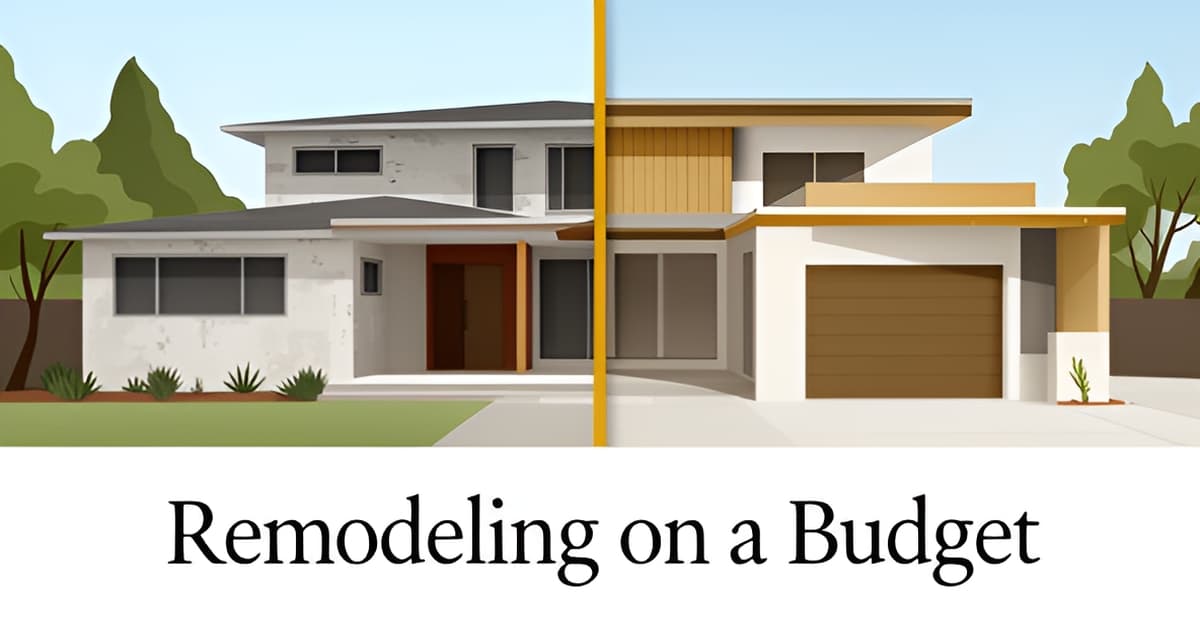
Whole House Remodel Costs
Key Facts
- Whole house remodels range from $15 to $150 per square foot, with gut renovations typically costing $100,000 to $300,000, according to NerdWallet.
- A gut remodel runs 20% to 50% less than a teardown and rebuild, per national cost analysis — unless foundations or major systems are compromised.
- In post-Eaton Fire Los Angeles, preserving an existing home costs roughly $350 per square foot versus $450–$650 to build new, per Spectrum News reporting.
- An estimated 9 out of 10 homes built before the 1940s contain some lead-based paint, per EPA figures cited by House Beautiful.
- Historic renovation runs roughly $475 per square foot — a slate roof can approach $150,000 versus $15,000 for asphalt shingles, per restoration experts.
- Asbestos remediation costs $1,200–$3,300 and mold remediation $1,200–$3,750, per national benchmarks.
- A $200–$500 expert walkthrough can save thousands on an older-home renovation, according to architectural historian Kristopher King.
Why Whole House Remodel Costs Vary So Widely
Ask five contractors what a whole-home remodel costs and you may get five answers spanning tenfold. National benchmarks put full remodels anywhere from $15 to $150 per square foot, with gut renovations running $100,000 to $300,000, according to NerdWallet — a range so wide it tells you almost nothing about your own house.
That range exists because three variables dominate the final number, and no online calculator captures them accurately.
Scope is the biggest driver. A cosmetic refresh — paint, fixtures, finishes — sits near the bottom of that per-square-foot range. A gut renovation that strips the house to the studs, replaces systems, and reconfigures layouts lands far higher. Opening walls in an older home often triggers mandatory code upgrades, and whole-house projects of this scale can take a year or more to complete.
Home age compounds everything. An estimated 9 out of 10 homes built before the 1940s contain some lead-based paint, and asbestos appeared in many building products until the 1970s — both require professional remediation before work begins. Period details add cost too: one restoration expert notes that a standard asphalt shingle roof might run $15,000, while a slate roof can approach $150,000, per Family Handyman. Historic renovation overall is estimated at roughly $475 per square foot — comparable to a new high-end build.
Altadena-specific factors push costs in their own directions:
- Older housing stock, including the area's signature Craftsman homes, which sit in the middle difficulty tier — easier to renovate than Victorians but costlier than midcentury houses
- LA County unincorporated permitting, which shapes fees, review timelines, and energy-compliance requirements
- Post-Eaton Fire market conditions, where rebuilding demand and long permit processing affect pricing across the area
- The renovate-versus-rebuild math: gut remodels typically run 20% to 50% less than teardown and rebuild, though that advantage shrinks when foundations or major systems are compromised
The takeaway is that generic numbers are a starting point, not an answer. The most reliable way to find where your project lands is a realistic condition assessment and a thorough scope of work — the approach Altadena Home Remodeling takes with every preserve-first renovation. A free scoping consultation, including a before/after concept render, gives you a grounded estimate for your specific house rather than a national average.
Featured builder: JMB Builders LLC (CSLB #1103479), an Altadena-based licensed general contractor specializing in custom homes, whole-home remodels, and Eaton Fire rebuilds. Paid placement.
The Renovate-over-Rebuild Math for Altadena Homes
For many Altadena homeowners, the numbers favor keeping the house. A gut remodel typically runs 20% to 50% less than tearing down and building new — a gap that widens further in California, where new construction is estimated at $450 to $650 per square foot.
Preserving or relocating an existing home, by contrast, is estimated at roughly $350 per square foot in the post-Eaton Fire Los Angeles market — a savings of $100 to $300 per square foot, with roughly half the construction timeline, according to Spectrum News reporting. That reporting notes roughly 250 people on a relocation waiting list in the Altadena area, a signal of how many owners are choosing preservation over a ground-up rebuild.
The math isn't universal, though. The renovate-over-rebuild advantage can shrink or disappear for severely deteriorated properties. A teardown may actually be cheaper when a home has major foundation, structural, plumbing, electrical, or HVAC problems — the exact caveat NerdWallet's cost analysis attaches to its 20%–50% figure.
Highly historic homes present a similar challenge. Expert estimates put historic renovation at roughly $475 per square foot — about the same as building a new higher-end house. Homeowners may spend hundreds of thousands of dollars updating systems and the building envelope before touching aesthetics, and period-accurate materials carry steep premiums: one restoration expert notes an asphalt shingle roof might cost $15,000 while a slate roof runs $150,000.
Where does Altadena's housing stock land in that difficulty spectrum? Fortunately, in the middle tier. Restoration professionals rank period homes from hardest to easiest this way:
- Victorian — hardest; "every little repair tends to cost three times more than you expect"
- Craftsman — progressively easier, with standard framing and honest detailing
- Colonial and Georgian — easier still
- Midcentury modern — the easiest of the period styles
Altadena's signature Craftsman and California-bungalow stock sits comfortably above Victorians in renovability, which is part of why a preserve-first approach makes financial sense here. Budget for the realities of an older home — an estimated 9 out of 10 pre-1940s houses contain some lead-based paint, and asbestos appeared in building products into the 1970s — and the renovate-over-rebuild case generally holds.
At Altadena Home Remodeling, we recommend starting with a realistic scoping consultation before committing to either path. A free remodel-scoping session with a before/after concept render can tell you whether your home sits on the favorable side of the renovate-versus-rebuild math — and, as one architectural historian puts it, an hour with someone who knows what they're looking at can save you thousands.
The Hidden Line Items That Blow Up Older-Home Budgets
The moment a contractor opens a wall in a 1920s Craftsman, the budget stops being theoretical. Altadena's pre-1940s housing stock carries a set of costs that never appear on a standard remodel estimate — and discovering them mid-project is the fastest way to derail a whole-home renovation.
Lead and asbestos come first. According to EPA figures cited by House Beautiful, an estimated 9 out of 10 homes built before the 1940s contain some lead-based paint, and many building products and insulation materials contained asbestos until the 1970s. Both must be professionally remediated before work begins. National benchmarks put asbestos remediation at roughly $1,200–$3,300, and mold remediation runs a similar range.
Opening walls triggers code upgrades. Once you expose framing, plumbing, or electrical in an older Altadena home — permitted through LA County's unincorporated-area process — you may be required to bring those systems up to current code. California projects also face Title 24 energy compliance and seismic requirements, which add cost lines that newer homes simply don't carry.
Period-accurate materials compound the premium. Restoration experts note that historic windows can run well over $1,000 per unit versus a few hundred dollars for vinyl, and high-velocity HVAC designed for narrow wall cavities can cost twice as much as traditional units.
The line items that most often surprise older-home budgets:
- Lead paint and asbestos remediation before demolition can begin
- Code-compliance upgrades triggered by opening walls and systems
- Title 24 energy and seismic requirements unique to California
- Period-accurate windows, roofing, and HVAC sized for old wall cavities
This is why contingency budgeting isn't optional for pre-1940 homes — it's structural. Preservation guides consistently recommend a realistic condition assessment and a contingency allowance for surprises that surface in older structures. As architect Neil Stevenson bluntly put it, historic renovation is "a moving target depending on how crazy you want to get."
The fix is sequencing: scope these costs before demolition, not during it. A $200–$500 expert walkthrough can save thousands, in the words of architectural historian Kristopher King — identifying hazards, code triggers, and period-material decisions while they can still be planned around. Altadena Home Remodeling's approach is exactly this: scope it, price it, do it once, do it right. A free remodel-scoping consultation with a before/after concept render surfaces these hidden line items up front, so your budget reflects the house you actually own.
How to Scope and Budget Your Remodel the Right Way
The difference between a remodel that stays on budget and one that spirals usually comes down to what happens before demolition starts. Whole-house projects are long commitments — a full renovation can take a year or more to complete, according to NerdWallet's cost analysis — so scoping errors compound over months, not weeks.
Start with a realistic condition assessment. In Altadena, where much of the housing stock is Craftsman-era, hidden conditions are the norm rather than the exception: an estimated 9 out of 10 homes built before the 1940s contain some lead-based paint, and asbestos appeared in many building products until the 1970s, per restoration experts cited in House Beautiful. Budget these as line items — mold remediation typically runs $1,200–$3,750 and asbestos removal $1,200–$3,300 nationally.
From there, insist on a written scope of work before any contract is signed. Restoration professionals consistently recommend pairing that scope with a contingency allowance for the surprises older structures almost always produce. Architectural historian Kristopher King puts it plainly: "Sometimes having someone who knows what they're looking at on site for an hour is going to save you thousands in the long run." A professional walkthrough typically costs $200–$500 — a small price against a gut renovation budget that commonly lands between $100,000 and $300,000.
Contractor selection matters just as much. Research on restoration projects identifies choosing the wrong contractor as a documented driver of cost overruns, delays, and substandard results. Before hiring, verify:
- An active California license — for example, featured builder JMB Builders LLC holds CSLB #1103479 (disclosed paid placement)
- Experience with whole-home remodels and period homes, not just additions
- Willingness to put scope, allowances, and change-order terms in writing
- Honesty about timelines — no legitimate contractor can guarantee permit processing in LA County unincorporated areas
Set expectations accordingly. Permit timelines in Los Angeles County are not guaranteed, and preservation or code-review steps can add weeks to months. Anyone promising a fixed completion date for a whole-house remodel in this environment is telling you what you want to hear, not what the process allows.
If you want that expert set of eyes without the upfront cost, Altadena Home Remodeling offers a free remodel-scoping consultation that includes a before/after concept render — so you can see the finished vision and a realistic scope before committing to construction. For homeowners weighing renovate against rebuild, it's the fastest way to find out whether your house belongs in the 20%–50% cost savings that gut remodels typically hold over teardowns. Scope it, price it, and do it once, do it right.
Frequently Asked Questions
How much does a whole house remodel actually cost?
Is it cheaper to remodel my Altadena home or tear it down and rebuild?
Why do older Craftsman homes cost more to remodel?
What hidden costs should I budget for in a pre-1940 home?
How long does a whole-home remodel take?
Is it worth paying for a professional walkthrough before my remodel?
Your House, Your Numbers: Turning Averages Into an Actual Plan
National averages can tell you that whole-house remodels run $15 to $150 per square foot, or that gut renovations typically land between $100,000 and $300,000 — but as this article has shown, those ranges say almost nothing about your Altadena home. What actually determines your number is scope, the age and condition of your house, and the hidden line items — lead and asbestos remediation, code upgrades, Title 24 compliance, period materials — that surface the moment walls come open. The good news for local homeowners: Altadena's Craftsman stock sits in the middle difficulty tier, and a gut remodel generally runs 20% to 50% less than a teardown and rebuild, according to NerdWallet's cost analysis. The most expensive mistakes happen before demolition, in the scoping phase — which is also where the biggest savings live. That's why the next step isn't a quote; it's a realistic condition assessment and a written scope of work. Altadena Home Remodeling offers a free remodel-scoping consultation with a before/after concept render, so you can see where your house actually lands before committing a dollar to construction. Scope it, price it, do it once, do it right.