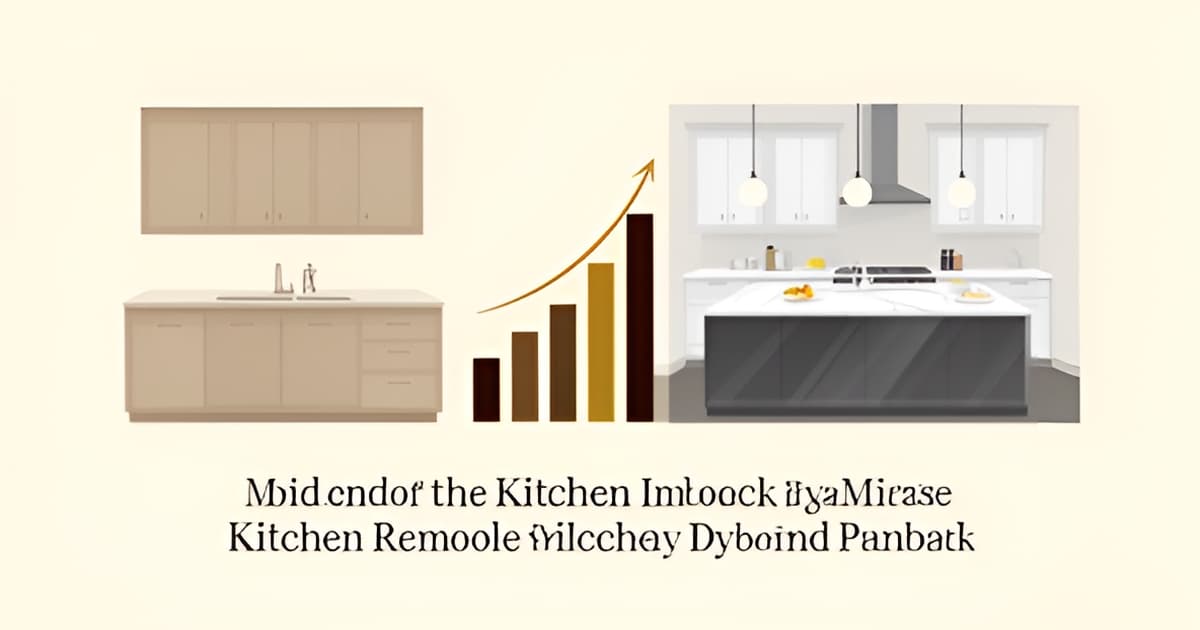
Kitchen Remodel ROI in Los Angeles: Mid-Range vs. Upscale Payback
Key Facts
- A minor midrange kitchen remodel recoups 113% of its $28,458 cost nationally, per the 2025 Cost vs. Value Report.
- A major upscale kitchen remodel costs $164,104 but recoups just 36% at resale — a loss of over $105,000, according to Zonda's data.
- That's a 77-percentage-point payback gap between minor midrange and major upscale kitchen remodels, the 2025 Cost vs. Value Report shows.
- Moving a kitchen's layout inflates project costs by 15–60% — money spent on plumbing and wiring buyers never see, per LA contractor estimates.
- In Los Angeles, cosmetic kitchen refreshes ($25k–$45k) recoup 95–110%, while $120k+ luxury projects drop to 55–75%, per LA trade estimates.
- LA permit fees for most $75k–$120k kitchens run $1,500–$3,500, with plan-check adding 3–6 weeks, per contractor data.
- U.S. tariffs on imported kitchen cabinets started at 25% in late 2025 and rise to 50% in 2026, industry cost guides warn.
The 77-Point Payback Gap: Why Upscale Kitchens Lose Money at Resale
Every kitchen remodel budget hides a quiet fork in the road: spend modestly and recoup your money at resale, or go big and watch a chunk of that investment vanish. The 2025 numbers make the stakes unusually clear.
According to Zonda's 2025 Cost vs. Value Report, a minor midrange kitchen remodel costs $28,458 nationally and recoups $32,141 at resale — 113% of cost. A major upscale remodel, by contrast, costs $164,104 and recoups just $58,561 — roughly 36% of cost, a loss of about $105,543. That is a 77-percentage-point payback gap between the two scopes.
Here in Los Angeles, the regional picture softens the blow somewhat. The Pacific region reports among the strongest returns in the country, per Zonda's 38th annual report. LA contractor trade estimates bear this out, with payback bands that still reward restraint:
- Cosmetic refreshes ($25k–$45k): 95–110% ROI
- Standard remodels ($45k–$85k): 80–95% ROI
- Luxury and custom projects ($120k+): 55–75% ROI
The critical insight is that this gap is scope-driven, not taste-driven. As LA contractor data puts it, cosmetic and layout-preserving work recoups near or above its cost, while a full gut with structural change recoups far less — because much of the money goes into things a buyer never sees. Moving the layout alone inflates costs by 15–60%, per LA remodeling estimates.
Zonda's own experts frame it the same way. Todd Tomalak, the firm's building products advisory principal, notes that interior projects "make the most sense for residents planning on staying in their homes for longer periods of time." In other words, an upscale kitchen is a lifestyle decision, not a resale play.
For Altadena homeowners — especially those weighing a preserve-first renovation of a Craftsman-era kitchen versus a down-to-studs rebuild — this is the central scoping question. At Altadena Home Remodeling, our guidance is simple: match the scope to your timeline. Selling soon? Stay in the midrange sweet spot. Staying five years or more? The math changes, and the enjoyment premium starts to justify the spend.
Ready to find your number before you swing a hammer? Book a free remodel-scoping consultation with a before/after concept render — scope it, price it, do it once, do it right.
What Kitchens Actually Recoup in Los Angeles (By Budget Tier)
A $28,000 kitchen refresh can return more at resale than a $164,000 gut job — sometimes by a factor of three. That counterintuitive math is exactly what Los Angeles homeowners need to understand before setting a budget, because in this market, scope discipline matters more than finish level.
One caveat before the numbers: Zonda's Cost vs. Value Report publishes LA-metro payback figures behind a paywall, so the LA-specific bands below are contractor trade estimates, not Cost vs. Value data. Nationally, though, the pattern is unambiguous — a minor midrange remodel recoups 112.9% of cost while a major upscale remodel recoups just 36%, per the 2025 Cost vs. Value Report.
Here is how LA payback typically breaks down by budget tier:
- Cosmetic refresh ($25k–$45k): 95–110% recouped. New fronts, counters, hardware, lighting — layout untouched. This is the tier that can actually return more than it costs.
- Standard remodel ($45k–$85k): 80–95% recouped. New cabinets and appliances within the existing footprint.
- Reconfiguration ($85k–$120k): 75–90% recouped. Moving walls, plumbing, or the work triangle adds 15–60% to cost, according to LA contractor data.
- Luxury/custom ($120k+): 55–75% recouped. Best justified by a 5+ year hold, not resale math.
Two honest complications. First, published LA cost tiers conflict sharply across sources — "mid-range" ranges from roughly $37,500 to $140,000 depending on who's counting and how. Second, neighborhood premiums matter: Beverly Hills and Santa Monica run 25–35% above baseline, while the South Bay runs about 10% below.
The consistent lesson across every source: the more you spend past the mid-range sweet spot, the smaller the share you recover. That's why Altadena Home Remodeling takes a preserve-first stance — keeping the layout and upgrading finishes captures the highest payback tier without paying for structural changes a buyer never sees. If you're unsure which tier your project falls into, a free scoping consultation with a before/after concept render can pin that down before you commit a dollar.
Scope Beats Slabs: Preserve the Layout, Upgrade the Finishes
If you want your kitchen remodel to pay you back at resale, the single most powerful decision isn't the countertop — it's whether you keep the sink where it is. The data on this is remarkably consistent: scope, not materials, drives both cost and payback.
Zonda's 2025 Cost vs. Value Report makes the case bluntly. A minor midrange kitchen remodel recoups 112.9% of its cost nationally, while a major upscale remodel recovers just 36% — a 77-percentage-point spread between projects that differ mainly in how much they disturb the room. As one LA contractor analysis put it, cosmetic and layout-preserving work recoups near or above its cost, while a full gut with structural change recoups far less because much of the money goes into things a buyer never sees — new wiring, relocated plumbing, reframed walls.
Why does moving the layout cost so much? Every shift of a sink, range, or island pulls in plumbing, electrical, and sometimes framing. LA trade estimates put the premium for layout changes at 15–60% of project cost — money that adds almost nothing a buyer will price into an offer. Meanwhile, the finish upgrades that buyers actually notice — cabinet fronts, counters, lighting, fixtures — deliver the return.
This is where a preserve-first approach earns its keep, and it's the philosophy we bring to every Altadena project: renovate over demolish. Many Altadena homes are older, including Craftsman-era houses where the original kitchen footprint often works just fine once the finishes catch up to it. Keeping the existing layout protects both the home's character and your payback. In practice, that means:
- Keep plumbing and appliance locations fixed; spend the savings on quality finishes and lighting.
- Refinish or reface sound cabinet boxes rather than replacing them wholesale.
- Reserve structural changes for genuine functional problems, not cosmetic preferences.
- Budget a 10–15% contingency for the surprises older homes reliably produce — discovered conditions in pre-1970s houses commonly run $5,000–$12,000.
The LA contractor estimates back this up tier by tier: cosmetic refreshes at $25k–$45k return an estimated 95–110%, standard remodels 80–95%, while luxury projects over $120k drop to 55–75%. If resale is the goal, the money you don't spend moving walls is the money you keep.
That said, preserve-first doesn't mean doing less — it means scoping precisely so the budget lands where it counts. At Altadena Home Remodeling, every project starts with a free remodel-scoping consultation that includes a before/after concept render, so you can see exactly what a layout-preserving refresh would look like in your home before committing a dollar. Featured builder JMB Builders LLC (CSLB #1103479) brings deep experience with Altadena's older housing stock, including Craftsman-period work and Eaton Fire rebuilds.
Scope it, price it, and do it once, do it right — the layout you keep may be the most valuable feature in your kitchen.
When an Upscale Kitchen Still Makes Sense (and When It Doesn't)
Not every kitchen remodel is a resale play — and the numbers say pretending otherwise is the expensive mistake. Zonda's own experts draw the line clearly: exterior projects deliver the most value for sellers, while interior projects make the most sense for owners planning to stay in their homes for longer periods, according to building products advisory principal Todd Tomalak.
The honest math is stark. A major upscale kitchen remodel costs $164,104 and recoups just $58,561 at resale — roughly 36% — per the 2025 Cost vs. Value Report. That's a loss of over $105,000 in pure resale terms. LA contractor estimates are kinder to luxury work, pegging custom projects at $120k and above at 55–75% ROI — still a meaningful haircut, per LA trade estimates.
So why does anyone spend six figures on a kitchen? Because the payback isn't all on the closing statement. As one remodeler puts it, "the truest measure of a remodel isn't a resale percentage — it's how much better your home serves you afterward," per Custom Craft. ROI drops, but lived-experience jumps: better flow, improved efficiency, and a kitchen that finally matches how your household actually cooks and gathers.
The 5+ year hold is the honest threshold. If you're staying in your Altadena home long-term — especially in a Craftsman or historic property where a preserve-first renovation protects character no appraiser can price — a higher-end kitchen can be a justified lifestyle investment, not a resale gamble. If you might sell within two or three years, the mid-range sweet spot is where your money works hardest.
Ask yourself which camp you're in before setting a budget:
- Staying 5+ years? Luxury finishes and layout changes can pay off in daily use, even at 55–75% resale ROI.
- Might sell within 2–3 years? Stay in the cosmetic or standard tiers, where LA estimates run 80–110% recoup.
- Somewhere in between? Preserve the layout and put your budget into finishes — layout changes add 15–60% to costs, per LA contractor data.
Whatever your answer, the discipline is the same: scope it, price it, and build in a 10–15% contingency, because as one LA contractor warns, no project comes in under budget. Altadena Home Remodeling helps homeowners work through exactly this decision — matching ambition to hold period — before anyone swings a hammer.
Budgeting Realities: Permits, Tariffs, and Hidden Costs in LA County
The sticker price on a kitchen remodel is only the opening bid. In LA County, the difference between a well-budgeted project and a painful one usually comes down to permits, contingency, and the surprises hiding behind pre-war walls.
Start with a 10–15% contingency. As one LA construction firm puts it, the biggest source of remodel pain isn't unexpected problems — it's homeowners who didn't plan for any, noting that while some projects come in under contingency, none come in under budget.
Permits are the next fixed reality. For most $75k–$120k kitchens, LA permit fees run $1,500–$3,500, and plan-check adds 3–6 weeks to the schedule, according to LA contractor data. Altadena homeowners should note a wrinkle: as LA County unincorporated territory, permits route through County channels rather than LADBS, so confirm the applicable fees and review timelines before you commit to a start date.
Homes built before the 1970s — much of Altadena's Craftsman and mid-century housing stock — deserve their own reserve. Contractors recommend a $5,000–$12,000 discovered-conditions reserve for older homes, covering items like outdated wiring, galvanized plumbing, or hidden water damage that only reveal themselves once walls open. Smaller line items add up too: debris disposal ($1,200–$2,500), dust protection ($800–$1,500), and a punch-list allowance ($1,500–$2,500) all belong in the budget.
Two 2026-specific factors deserve attention:
- Cabinet tariffs. U.S. tariffs on imported kitchen cabinets started at 25% in late 2025 and rise to 50% for cabinets and vanities in 2026, with some vendors already signaling roughly 10% price increases — worth factoring into cabinet sourcing decisions.
- Gas-line rules. California has banned running new gas lines to new construction, and renovators are cautioned against investing in non-compliant gas appliances if resale is anywhere on the horizon. For a preserve-first remodel, electric or induction ranges are the safer long-term bet.
The through-line here is scope discipline. Every dollar spent discovering problems or re-permitting a changed layout is a dollar not going into finishes buyers actually see — which is precisely why layout-preserving work recoups near or above its cost while full guts recoup far less. At Altadena Home Remodeling, we recommend scoping the full project — permits, contingency, and reserve included — before demolition day. A free remodel-scoping consultation with a before/after concept render gives you a realistic, all-in number: scope it, price it, do it once, do it right.
Frequently Asked Questions
How much of a kitchen remodel cost do you actually get back when selling in Los Angeles?
Is it true that a minor kitchen remodel recoups more than an upscale one?
Why does moving my kitchen layout cost so much more?
Is a luxury kitchen remodel ever worth the money?
What hidden costs should I budget for in an older Altadena home?
Should I choose gas or electric appliances for my kitchen remodel in California?
Your Kitchen, Your Timeline: The Number That Decides Everything
The math comes down to one question: how long will you stay? Sell within a few years, and the data says stay modest — a minor midrange kitchen remodel recoups 112.9% of its cost nationally, while a major upscale remodel returns just 36%, per Zonda's 2025 Cost vs. Value Report. Stay five years or more, and higher-end finishes become a lifestyle investment the resale math no longer has to justify. Either way, the same disciplines apply: preserve the layout, upgrade the finishes buyers actually see, and budget a 10–15% contingency plus a discovered-conditions reserve for Altadena's older housing stock. That's the preserve-first approach we take at Altadena Home Remodeling — renovate over demolish, and match every dollar to your timeline. Before you commit to a scope, get the full picture: book a free remodel-scoping consultation with a before/after concept render, and you'll have a realistic, all-in number covering permits, contingency, and reserves. Scope it, price it, do it once, do it right.