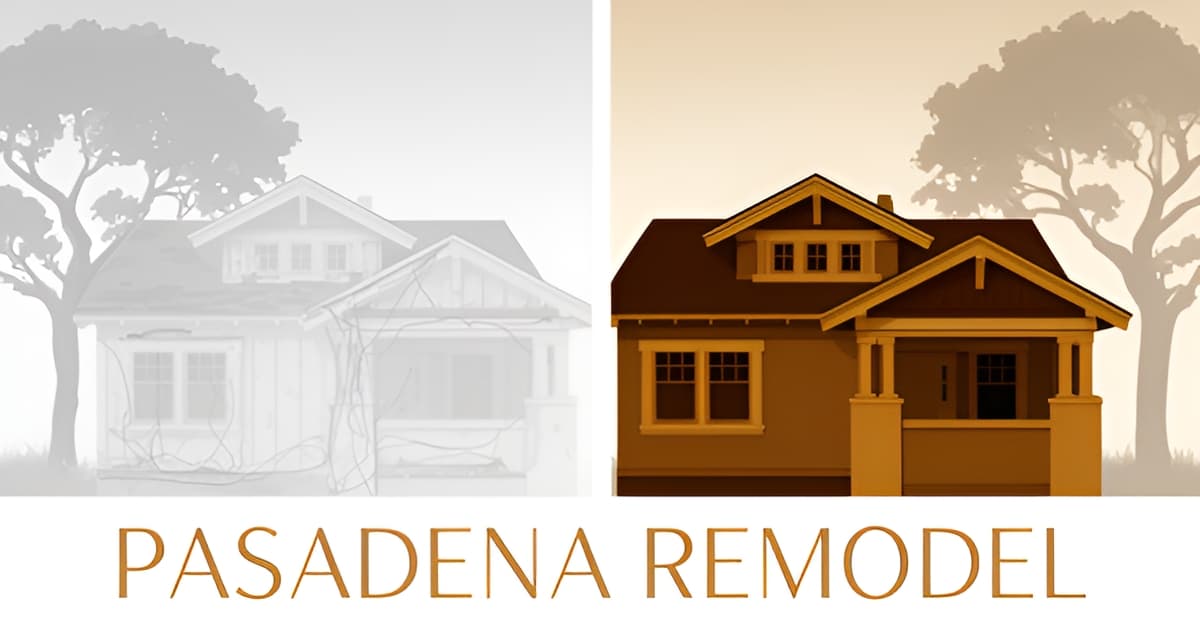
Home Remodeling Services Pasadena
Key Facts
- Pasadena kitchen remodels span four tiers from $18,000 to $250,000+, with mid-range $35,000–$75,000 being most popular per local cost data.
- The Pasadena/Burbank area runs 15–20% above baseline LA County remodeling rates.
- Certificate of Appropriateness review in Pasadena's historic districts commonly adds about two months to permit timing.
- Pre-1980 Pasadena homes commonly hide knob-and-tube wiring, galvanized plumbing, asbestos, and lead paint according to local remodeling research.
- Both major cost guides independently recommend a 10–20% contingency, including LA County benchmarks.
- 54% of homeowners fund renovations with home equity financing, and a HELOC averages around 8.9%.
- Mills Act contracts can cut property taxes 20–75% for owners who take on historic maintenance obligations.
Why Remodeling in Pasadena Is Different: Older Homes, Hidden Hazards, and Historic Rules
Walk into a 1920s Craftsman in Pasadena or Altadena and you're walking into a house with nearly a century of stories behind its lath-and-plaster walls — some charming, some expensive. Remodeling here isn't like remodeling a 2005 tract home in the Inland Empire, and pretending otherwise is how budgets blow up.
The first challenge is what's hidden inside. According to Pasadena remodeling research, homes built before 1980 commonly conceal knob-and-tube wiring, galvanized steel plumbing, asbestos, and lead paint — all of which must be remediated to meet modern codes by certified professionals. Aging electrical, plumbing, and HVAC systems are similarly widespread across LA County's mature housing stock, which is why systems upgrades show up in nearly every whole-home project here. That's also why both cost sources independently recommend budgeting a 10–20% contingency, especially for older homes.
The second challenge is regulatory. If your home sits in a designated historic or landmark district, exterior changes visible from the street — additions, window swaps, porch changes, roofline alterations — fall under Pasadena's design review, and you'll need a Certificate of Appropriateness before the city will issue a building permit. Per guidance on Pasadena's historic districts, that review commonly adds about two months to permit timing. The good news: interior work like kitchens, baths, and systems is generally not regulated unless the interior itself is designated, which is uncommon.
What historic review typically means in practice:
- Like-for-like repairs — original wood windows, in-kind roofing — usually win approval smoothly
- Rear-yard and less-visible additions get more flexibility than street-facing changes
- Enclosing front porches, removing chimneys, or incompatible window replacements face stricter review or denial
- Skipping the process entirely can trigger restoration orders, fines, and even criminal penalties
This is why the preserve-first, renovate-over-demolish approach is the smart path for Altadena and Pasadena homeowners. Pasadena's renovation culture is built around Craftsman, bungalow, Mission, and Spanish Revival homes — Pasadena Heritage's long-running referral list is dominated by firms specializing in exactly these period styles, updating them with 21st-century functionality rather than tearing them down. Mills Act contracts can even cut property taxes 20–75% for owners who take on maintenance obligations.
At Altadena Home Remodeling, our whole-home renovation guidance starts from that same premise: scope it, price it, do it once, do it right — respecting the home's character while bringing its wiring, plumbing, and layout up to modern standards. If you're weighing a whole-home remodel, a free scoping consultation with a before/after concept render is the easiest way to see what your older home could become.
What Remodeling Services Cost in Pasadena: Tiers, Ranges, and the Local Premium
Remodeling in Pasadena rewards homeowners who understand the numbers before the first wall comes down. Between the region's older housing stock and a measurable local cost premium, a realistic budget looks different here than in most of Los Angeles County.
According to Pasadena kitchen cost data, kitchen remodels fall into four tiers: a small refresh ($18,000–$35,000), a mid-range remodel ($35,000–$75,000, the most popular tier), a major remodel ($75,000–$140,000), and high-end custom work ($140,000–$250,000+). Even a basic refresh carries labor costs starting around $21,000 locally, with permit fees typically running $90 to $360.
The single biggest cost driver is not finishes or appliances. As remodeling industry guidance puts it, the largest factor in your kitchen remodel cost is whether you change the floor plan. Keeping plumbing, gas, and walls in place keeps you in the lower tiers; moving them pushes you upward fast.
For whole-home projects, LA County cost benchmarks put typical renovations at $75,000–$500,000+, with complete gut renovations running $425,000–$650,000+ and luxury whole-house renovations reaching $500,000–$1,000,000+. Standard rates in the LA Central area run $200–$400 per square foot, and actual costs may vary 20–40% from these estimates.
The Pasadena-area premium matters here. The Pasadena/Burbank area runs 15–20% above baseline LA County remodeling rates, so any budget built from generic LA figures needs an upward adjustment before it is realistic.
Pasadena's pre-1980 housing stock commonly hides knob-and-tube wiring, galvanized steel plumbing, asbestos, and lead paint — issues that only surface once walls open. That makes the 10–20% contingency fund, recommended by both major cost sources, less of a formality and more of a necessity for older Altadena and Pasadena homes.
Key line items to budget for:
- Kitchen cabinets ($10,000–$40,000), countertops ($3,000–$12,000), appliances ($8,000–$25,000)
- Systems upgrades: HVAC ($8,000–$25,000), electrical ($5,000–$20,000), roofs ($15,000–$40,000)
- Structural work: room additions ($200–$350/sq ft), second stories ($250–$400/sq ft)
- Labor, which typically consumes 30–50% of the total project budget
All figures above are estimates, not quotes — real numbers depend on your home's age, condition, and scope. Altadena Home Remodeling's free remodel-scoping consultation helps you map your project to the right tier, with a before/after concept render so you can see the outcome before committing the budget. Scope it once, price it honestly, and build in the contingency your home's era demands.
Navigating Permits and Historic Design Review Without Blowing Your Timeline
Permits are where remodel timelines quietly die — and in Altadena and Pasadena, the historic review layer catches more homeowners by surprise than any construction delay. Altadena sits in unincorporated LA County, so permits route through the County rather than the City of Pasadena, while homes in Pasadena's designated historic or landmark districts face an entirely separate hurdle: design review before a building permit is even issued.
Under Pasadena Municipal Code Chapter 17.62, design review applies to exterior changes visible from public streets or alleys — demolition, additions, windows, porches, and rooflines — and covered work requires a Certificate of Appropriateness (COA) before permitting, according to a guide to Pasadena's historic district rules. Interior work is a different story. Kitchens, baths, and system upgrades are generally not regulated unless the interior itself is specifically designated, which is uncommon.
The timing impact is real. City estimates indicate that COA review commonly adds about two months to permit timing, though staff-level approvals move faster. No one can guarantee a permit date — budget the buffer anyway. Homeowners can confirm whether their property triggers review by contacting Pasadena's Design & Historic Preservation section at (626) 744-4009, as Pasadena Heritage advises.
What tends to get approved versus rejected follows a consistent pattern:
- Likely approvals: like-for-like repairs — original wood window restoration, in-kind roofing — and rear-yard or less-visible additions, which carry more flexibility.
- Stricter review or denials: enclosing front porches, removing distinctive chimneys, changing rooflines, or incompatible window replacements.
- Unauthorized work: restoration orders, permit moratoriums, fines, and even criminal penalties.
Skipping the process is never worth it. Unauthorized demolition or alterations in a historic district can trigger enforcement that costs far more than the review itself would have. And because period homes reward period-correct work, hiring professionals familiar with the Secretary of the Interior's Standards — the approach Altadena Home Remodeling takes with Craftsman-era restoration — keeps approvals moving and preserves the character that makes these homes worth renovating rather than replacing.
The practical move is scoping first: confirm your property's designation status, map which parts of your project touch visible exteriors, and build the review timeline into your schedule before demo day. A free remodel-scoping consultation with a before/after concept render can surface those triggers early — so the only surprises left are the ones behind your walls.
How to Vet a Pasadena Remodeling Contractor: Licenses, Scopes, and Red Flags
The most expensive remodeling mistake in Pasadena rarely happens on the job site — it happens at the hiring table, when a homeowner accepts a low bid without verifying who's actually holding the tools. In a market where whole-home renovations routinely run $75,000 to $500,000+, due diligence before signing is worth more than any discount.
Start with the license. A framed certificate on the wall or a number painted on a truck proves nothing until you've looked it up yourself, as licensed contractor Michael Ward of MKW Homes puts it in his Pasadena hiring guide. Verification takes about two minutes on the CSLB website and confirms the license is active and in good standing. Any contractor you consider — including Altadena-based JMB Builders LLC, whose license number CSLB #1103479 is publicly verifiable — should pass this same check.
Insurance is the second non-negotiable. Confirm the contractor carries both general liability and workers' compensation coverage, because if an uninsured worker gets hurt on your property, that liability can land on you. Pasadena Heritage makes the same point in its contractor referral guidance, advising homeowners to verify current licenses and insurance, get more than one estimate, and confirm who is responsible for pulling permits.
Then demand the paperwork that protects your budget:
- A written scope of work with dollar allowances for fixtures, finishes, and materials — not vague line items
- A stage-based payment schedule tied to completed milestones, never large upfront sums
- A named point of contact for who works on-site daily
- A contingency plan of 10–20% of the total budget, which two independent cost guides recommend for older homes
That contingency matters more in Pasadena than most cities. Homes built before 1980 commonly hide knob-and-tube wiring, galvanized plumbing, asbestos, and lead paint that must be remediated to modern code — work no bid can fully price until walls open up, according to Pasadena cost research.
Finally, treat the lowest bid as a warning, not a bargain. "The cheapest number on paper is often the most expensive job by the end," Ward warns. A far-below-market quote usually signals missing insurance, unlicensed labor, or a scope that will balloon through change orders.
One disclosure before you shortlist: JMB Builders LLC is a featured builder on this guide through paid placement, not an endorsement. That said, its credentials are checkable like anyone else's — an Altadena-based licensed general contractor whose whole-home remodels, ADUs, and Eaton Fire rebuild work are documented at jmb-builders.com. Verify the license, confirm the insurance, and compare written scopes side by side. That process — not the lowest number — is what protects a six-figure renovation.
Your Remodel Scoping Plan: From Budget to Before/After Render
Most whole-home remodels go over budget for one predictable reason: the owner scoped the project twice — once on paper, once in real life. A disciplined scoping plan lets you do it once, and do it right.
Start by matching the right tier to your budget. Pasadena kitchen remodels span four tiers — from an $18,000–$35,000 refresh up to $140,000–$250,000+ for high-end custom work, with mid-range ($35,000–$75,000) being the most popular, per Realm Home's Pasadena cost guide. Whole-home renovations in LA County typically run $75,000 to $500,000+, and the Pasadena area carries a +15–20% premium above baseline county rates, according to LA County remodeling benchmarks. Remember that actual costs can vary 20–40% from any estimate.
Next, plan financing around your project's shape. 54% of homeowners fund renovations with home equity financing — a HELOC or home equity loan. A HELOC (average rate around 8.9%) suits phased projects because you draw funds as each stage begins, rather than borrowing the full amount upfront.
Build in a contingency before anything else. Both major cost sources independently recommend setting aside 10–20% of your total budget as contingency — especially critical for pre-1980 homes, which commonly hide knob-and-tube wiring, galvanized plumbing, asbestos, or lead paint behind the walls.
Your scoping checklist should include:
- A tier decision anchored to real local price benchmarks, not national averages
- Financing matched to project phasing (HELOC for staged work)
- A 10–20% contingency line for hidden conditions in older homes
- A written scope with dollar allowances, not vague allowances — a protection Pasadena-area contractor guides strongly recommend
- A permit reality check: exterior work in historic districts may require a Certificate of Appropriateness before a building permit
Finally, visualize before you commit. Words like "open the kitchen to the living room" mean different things to different people — which is why Altadena Home Remodeling's free remodel-scoping consultation includes a before/after concept render. You see the outcome, pressure-test the budget against your tier, and walk away with a scope you can hand to any licensed contractor. Scope it once, price it honestly, and you won't pay for the same decisions twice.
Frequently Asked Questions
How much does a kitchen remodel cost in Pasadena?
Does remodeling cost more in Pasadena than elsewhere in LA County?
Do I need a permit to remodel inside my home if it's in a Pasadena historic district?
How long does historic design review add to my remodel timeline?
Why do contractors keep telling me to budget a 10–20% contingency for my older Altadena home?
How do I avoid hiring the wrong remodeling contractor in Pasadena?
Renovate Once, Renovate Right: Your Next Step in Pasadena
Remodeling a Pasadena or Altadena home rewards preparation. The numbers tell the story: whole-home renovations run $75,000–$500,000+ locally, with the Pasadena area carrying a 15–20% premium over baseline LA County rates, and pre-1980 homes hiding everything from knob-and-tube wiring to asbestos behind lath-and-plaster walls. Add historic design review that can add roughly two months to permitting, and the case for disciplined scoping becomes impossible to ignore. That's why the smartest move isn't picking paint colors or cabinet finishes — it's verifying contractor licenses on the CSLB website, building a 10–20% contingency into your budget, and confirming your property's designation status before demo day. Homes here carry nearly a century of character worth preserving, and a Mills Act contract can cut property taxes 20–75% for owners committed to maintaining that heritage. The preserve-first path — renovate rather than demolish — protects both your investment and your neighborhood's story. Scope it, price it, do it once, do it right. Start with a free remodel-scoping consultation from Altadena Home Remodeling, including a before/after concept render, so you can see what your older home could become before committing a single dollar.