Home Addition Contractors in Pasadena: Vetting and Bid Comparison
Key Facts
- Bids for the same Pasadena addition commonly differ by 20–40%, and the lowest price usually hides missing scope according to local cost data.
- Pasadena additions carry an 8–15% architectural coordination premium over comparable San Fernando Valley scope per a local cost guide.
- Pasadena plan check takes 6–10 weeks, and Historic Preservation Commission review can add 4–8 more in districts like Bungalow Heaven per local permitting guidance.
- Interior finish allowances range from $15,000 to $40,000 — one of the widest bid line items per ADU cost data.
- California requires every licensed contractor to carry a $25,000 bond on file with CSLB per the state license board.
- A full second-story addition in Pasadena runs $385,000–$680,000+ and typically requires a foundation soils report per local benchmarks.
- 8 of the 10 highest-ROI remodel projects are exterior replacements, so interior additions reward owners planning to stay per Zonda's Cost vs. Value report.
Why Pasadena Addition Bids Differ by 20–40% (and Why the Lowest Price Lies)
Ask three builders to price the same addition in Pasadena, and you'll likely see quotes spread by 20–40% — for what looks like the identical project. That gap isn't just markup differences; it's a signal that each bid contains a different project.
The core problem is that bottom-line prices hide wildly different scopes. Construction proposal analysis warns that "the bottom-line price does not always tell the full story," and renovation cost guidance recommends comparing major categories like demolition, plumbing, and electrical across bids rather than trusting totals. A bid that omits skim coating or foundation reinforcement looks cheaper until the change order arrives.
Finish allowances are the most common hidden variable. Contractors build in educated guesses on material spending, and anything spent above an allowance comes out of the homeowner's pocket. Two bids can carry the same allowance dollar amount while assuming very different product grades — which is why a low allowance can look artificially inexpensive.
Structural scope drives even larger variance than finishes, especially for second stories. There is no single reliable price for a Pasadena second-story addition because foundation, first-floor walls, beams, and lateral-force-resisting systems may all need reinforcement, and some conditions can't be verified until demolition. Feasibility should come before detailed finish selections.
Pasadena adds local complexity on top of this:
- An architectural coordination premium of 8–15% above comparable San Fernando Valley scope, reflecting the design challenge of matching Craftsman, Spanish Colonial, and Mid-Century housing stock
- Plan check through Pasadena's own Building and Safety Division taking 6–10 weeks for room additions
- Historic Preservation Commission review adding 4–8 weeks for additions visible from the public right-of-way in districts like Bungalow Heaven, Madison Heights, Prospect Park, and Old Pasadena
- Second-story requirements like a foundation soils report, and possible Hillside Development Permits or Certificates of Appropriateness depending on the property
The practical response is to normalize bids before comparing them. Collect at least three quotes, issue identical clarification questions to each contractor, and build a bid-leveling sheet that adjusts for scope, allowances, and exclusions. As one contractor put it, don't walk away from a great contractor because a price that looks high specifies materials another bid leaves out — the goal is to clearly compare options, not negotiate a particular price down.
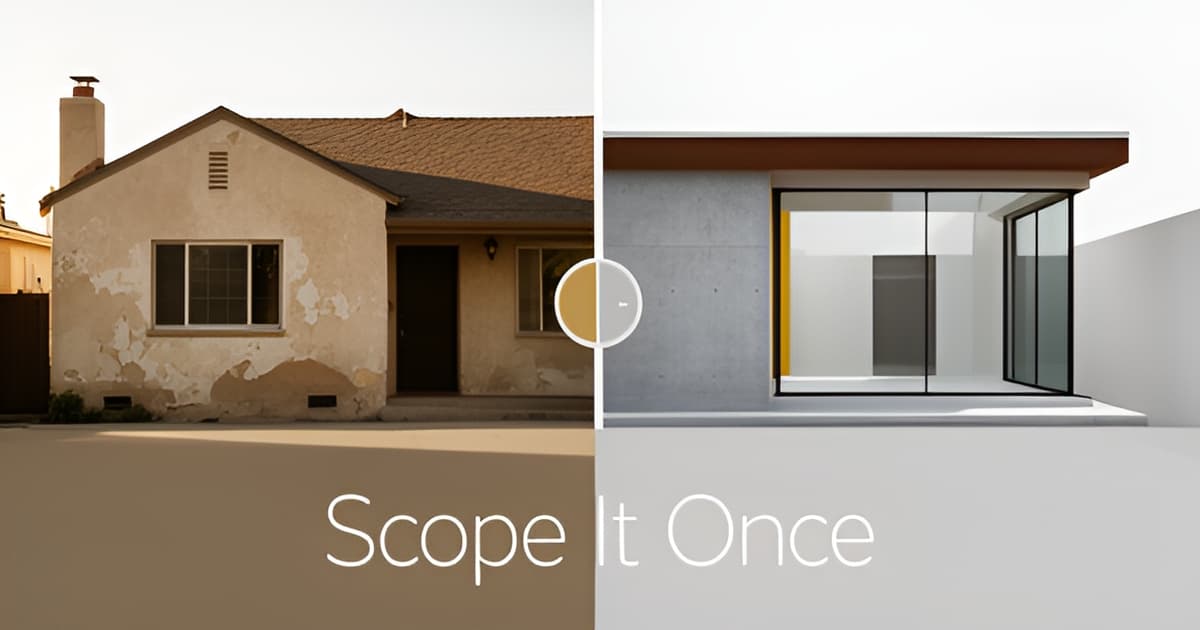
At Altadena Home Remodeling, we apply this preserve-first, scope-first thinking to whole-home renovations, additions, and second stories across the Altadena area — including verifying licensing through CSLB, where California requires a $25,000 contractor bond on file. If you're weighing addition bids and want a second set of eyes on scope, start with a free remodel-scoping consultation, including a before/after concept render. No timeline or permit guarantees — just a clearer picture of what you're actually comparing.
The Bid-Leveling Method: Normalize Scope, Allowances, and Structural Assumptions
Three bids for the same Pasadena addition can differ by 20–40%, and the lowest number is rarely the cheapest project. The fix is bid leveling: normalize what each bid actually includes before you compare prices at all.
Start by building a scope matrix — a simple grid with one column per contractor and rows for each major line item: demolition, framing, plumbing, electrical, HVAC, and interior finishes. Industry guidance on comparing estimates recommends focusing on the biggest cost categories first, because a single omitted item, like skim coating, can increase the budget dramatically. Then send every contractor the identical set of clarification questions in writing. As one construction comparison framework puts it, "unclear scope often becomes a change-order discussion later," so the goal is an adjusted price — each bid restated as if it covered the same scope, allowances, and exclusions.
Two hidden variables deserve most of your attention:
- Finish allowances. Contractors build in allowances — educated guesses on material spending — and anything spent above them comes out of your pocket. A low allowance can look artificially inexpensive, and two bids can carry the same allowance amount while assuming very different product grades.
- Structural scope, especially for second stories. Foundation work, first-floor wall and beam reinforcement, and lateral-force-resisting systems drive the largest cost variance — far more than finish level.
- Soils and verification limits. Second stories generally require a foundation soils report, and some existing conditions simply can't be verified until demolition, which is why contingency planning matters more than the visible condition of the house suggests.
Sanity-check allowance figures against published line-item data: interior finishes on comparable local projects run $15,000–$40,000, one of the widest ranges of any category. If a bid's finish allowance sits at the bottom of that band while promising high-end materials, ask which product grade it assumes. As one contractor advises, don't walk away from a great builder just because a higher price specifies materials another bid omits.
For second stories specifically, ask each bidder to state their soils-report assumptions and reinforcement scope in writing before you adjust prices. Feasibility should come before finish selections — early budgeting should define scope accurately enough that pricing reflects the actual project, not an idealized floor plan.
Altadena Home Remodeling's scoping consultations are built around exactly this exercise: defining scope once, in writing, so the bids you compare are genuinely comparable.
Vetting Before the Bid: Licensing, Bonds, and CSLB's Free Tools
Before you compare a single dollar figure between bids, you need to know the contractor holding each bid is legitimate. California makes this unusually easy to verify — if you know where to look.
Start with the Contractors State License Board. Every licensed contractor in California must carry a $25,000 contractor bond on file with CSLB, and the board's license lookup lets you confirm status, classification, and bond information directly rather than relying on what a bidder tells you. As one Pasadena cost guide puts it, the sequence is simple: compare quotes, verify license and insurance, then hire — because contractors are independent businesses whose credentials should be checked independently.
CSLB also publishes free resources that most homeowners never use. According to the board's guides and publications library, these include:
- A Construction Project Checklist covering how to find a contractor, get bids, and evaluate the contract
- A Checklist for Prescreening Contractors to run before you ever request a bid
- A Consumer Guide to Home Improvement Contracts so you know what a compliant contract must contain
- A Homeowner's Guide to Preventing Mechanic's Liens
These documents matter more than they might seem. Construction professionals note that unclear scope often becomes a change-order discussion later — and a properly structured contract is your first defense against that. CSLB's mandatory arbitration program covers complaints with damages of $25,000 or less, with voluntary arbitration extending to $50,000, so documentation quality directly affects your recourse if something goes wrong.
A contractor's own online presence can serve as a starting point for this verification, though never a substitute for it. JMB Builders LLC (CSLB #1103479), an Altadena-based licensed general contractor featured by Altadena Home Remodeling through disclosed paid placement, documents its custom homes, ADUs, and whole-home remodel work and service areas at jmb-builders.com — the kind of transparency that makes independent CSLB cross-checking straightforward.
For Altadena and Pasadena homeowners, this pre-bid diligence is especially consequential. Many local projects involve Craftsman and historic-period homes where additions carry an 8–15% architectural coordination premium and, in districts like Bungalow Heaven, potential Historic Preservation Commission review. You want a contractor whose licensing, bonding, and documentation hold up before you commit to a multi-month, six-figure project — not after.
Benchmarking Bids Against Pasadena-Specific Costs and Permit Realities
Three bids for the same addition can differ by 20–40%, and a bid that looks 30% cheaper may simply be missing a soils report, an 8-week historic review, or realistic finish allowances. Before you compare bottom lines, pressure-test each bid against what work in Pasadena actually costs and what the city's permitting process actually requires.
Start with directional cost benchmarks. A Pasadena room addition cost guide — self-published by a contractor and not independently verified, so treat it as a sanity check rather than a guarantee — frames typical 2026 ranges: bedroom additions at $100,000–$185,000, primary suites at $185,000–$340,000, and full second stories at $385,000–$680,000+. If a bid lands far below the relevant range, ask why. The same guide notes an 8–15% architectural coordination premium over comparable San Fernando Valley scope, reflecting Pasadena's Craftsman, Spanish Colonial, and Mid-Century housing stock — a bid priced as if matching that context were trivial deserves scrutiny.
Then confirm each bid reflects Pasadena's own permitting authority — the city's Building and Safety Division, not LADBS. Ask every bidder the same questions and compare answers line by line, a method drawn from construction proposal comparison guidance:
- Does the schedule build in 6–10 weeks for Pasadena plan check on a room addition?
- If the addition is visible from the public right-of-way in a district like Bungalow Heaven, Madison Heights, Prospect Park, or Old Pasadena, does it account for Historic Preservation Commission review adding 4–8 weeks?
- For a second story, does the bid include a foundation soils report — and does it state assumptions about foundation, first-floor wall, beam, and shear-wall reinforcement?
- Are permit fees, plan check fees, and Pasadena's 1.92% Construction Tax itemized rather than lumped into "allowances"?
No contractor should promise timelines or permit approvals — one Pasadena second-story guide cautions that "permit approval should never be assumed simply because a preliminary design appears to fit on the property," and some structural conditions can't be verified until demolition. A bid that guarantees a permit date is signaling either inexperience or a scope that hasn't been thought through.
Finally, check that allowances are realistic. Interior finish line items in Pasadena ADU cost data run $15,000–$40,000, one of the widest ranges in any bid — and anything spent above an allowance comes out of your pocket. Two contractors can carry identical allowances while assuming very different product grades, so ask each bidder to name the actual fixture and finish packages behind the number.
At Altadena Home Remodeling, our free remodel-scoping consultation includes a before/after concept render so you enter the bid process with a defined scope — which is exactly what makes these benchmarks and permit questions meaningful. If you want a second opinion on a bid you've already received, including one from featured builder JMB Builders LLC (CSLB #1103479, disclosed paid placement), bring it to that conversation.
From Comparison to Contract: Scope It Once, Do It Right
You've leveled the bids line by line — now the decision comes down to what's not in each proposal. As Munger Construction puts it, "unclear scope often becomes a change-order discussion later," so the contract you sign should resolve every ambiguity before work begins.
Start with exclusions. Two bids can carry identical allowance amounts while assuming very different product grades, and a low allowance can look artificially inexpensive. Because anything spent above an allowance comes out of your pocket, confirm both the dollar figure and the assumed finish level for each line item.
Next, plan for what demolition reveals. For second-story additions in particular, Pasadena structural guidance is blunt: foundation condition, first-floor wall capacity, and lateral-force systems can't be fully verified until the house is opened up. Homeowners should "maintain appropriate contingency planning rather than assuming the visible condition of the house tells the complete story." A written contingency line in the contract beats a verbal promise.
Before signing, make sure the contract captures:
- A complete written scope — every inclusion, exclusion, and allowance, with product grades specified
- A contingency provision for conditions discovered at demolition
- Permit responsibilities — Pasadena plan check runs 6–10 weeks, and Historic Preservation Commission review can add 4–8 weeks in districts like Bungalow Heaven
- A payment schedule tied to milestones, never to calendar dates
Here in Altadena, that final read-through matters more than most places. Our Craftsman and period housing stock means an addition is "not just a construction exercise but a design challenge" — getting the architectural language right is what protects and grows value, not a luxury line item. That's the preserve-first philosophy Altadena Home Remodeling brings to every scoping conversation: renovate thoughtfully rather than flatten what makes the house worth keeping.
Be honest about why you're building, too. Zonda's Cost vs. Value report finds 8 of the 10 highest-ROI projects are exterior replacements; large interior remodels are "personally rewarding" but too subjective to deliver the same resale return. Interior additions reward owners planning to stay — budget accordingly.
Ready to scope it once and do it right? Book a free remodel-scoping consultation with Altadena Home Remodeling and get a before/after concept render of your project. Featured builder JMB Builders LLC (CSLB #1103479, disclosed paid placement) builds custom homes, ADUs, and whole-home remodels in Altadena — scope it, price it, do it once, do it right.
Frequently Asked Questions
Why do contractor bids for the same addition in Pasadena vary so much?
How can I tell if a finish allowance in a bid is realistic?
How do I verify a contractor is licensed and legitimate in California?
What Pasadena permit factors should a good addition bid account for?
Is a second-story addition priced mainly by the finishes I choose?
Should I just go with the lowest of three bids?
The Cheapest Bid Is Rarely the Cheapest Project
Three bids for the same Pasadena addition can differ by 20–40%, and the lowest number often hides a different project — omitted skim coating, an unrealistically low finish allowance, or structural assumptions that don't survive demolition. The path forward is methodical: verify every contractor through CSLB before comparing a single dollar, level each bid line by line against identical clarification questions, pressure-test allowances against realistic ranges like the $15,000–$40,000 interior finishes band for Pasadena projects, and confirm each bid accounts for Pasadena plan check, possible Historic Preservation Commission review, and second-story soils requirements. Then sign a contract that resolves every ambiguity in writing. That's the philosophy behind Altadena Home Remodeling's free remodel-scoping consultation: define scope once, in writing, with a before/after concept render, so the bids you compare are genuinely comparable — and so your addition honors the Craftsman character that makes your house worth keeping. No timeline or permit guarantees, just a clearer picture. Bring your bids, your questions, and your house's story — and scope it, price it, do it once, do it right.