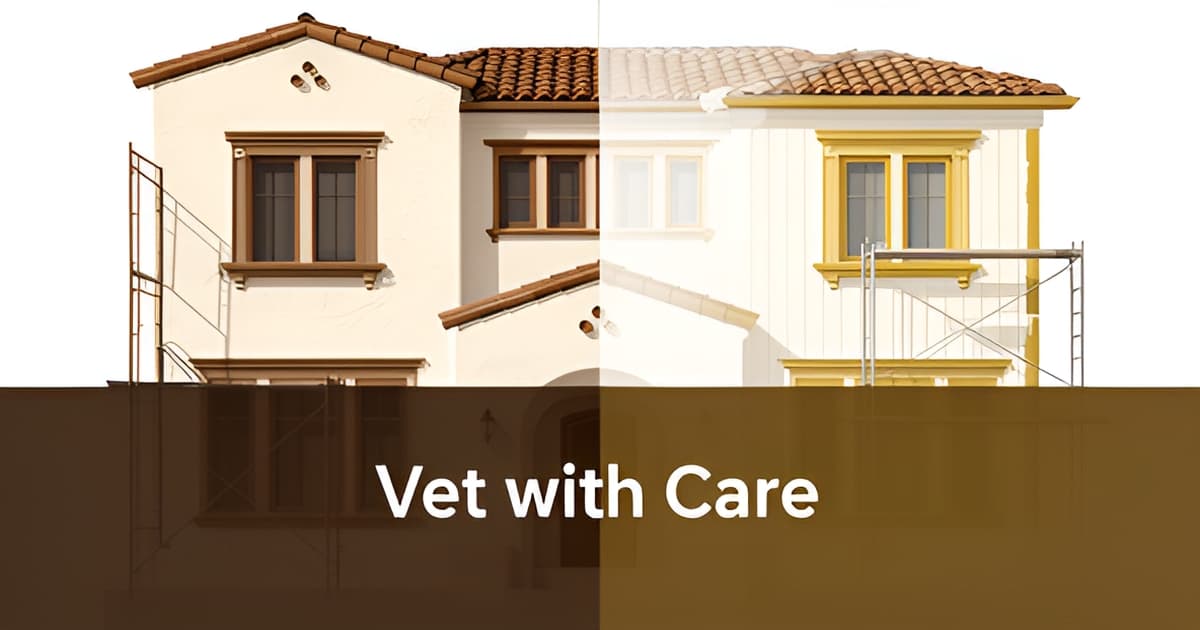
Historic Preservation Contractors in Los Angeles: What to Look For
Key Facts
- A major LA directory lists 70 'historic preservation companies,' yet 29 of 30 visible listings have zero reviews per the directory itself.
- The Secretary of the Interior's Standards prioritize retaining original material over replacing it with matching new material according to the National Park Service.
- The federal Historic Rehabilitation Tax Credit covers 20% of qualifying costs but applies only to income-producing properties per LA City Planning.
- The Mills Act is LA's most significant preservation incentive, available to Historic-Cultural Monument owners and contributing HPOZ properties says LA City Planning.
- The National Park Service targets a 60-day review window for federal tax credit certification applications per renovation reference data.
- Qualified contractors should know all four federal treatments — Preservation, Rehabilitation, Restoration, and Reconstruction as defined by the NPS.
- LA's Craftsman homes (early 1900s–1930s) demand traditional joinery and built-ins, not drywall-and-trim shortcuts per preservation guidance.
Why 'Historic Preservation Contractor' Labels Mislead LA Homeowners
Search "historic preservation contractor Los Angeles" and you'll get pages of firms promising expertise. Most of them can't deliver it. One major directory lists 70 "preservation companies" in LA, yet nearly every entry is a general architectural design firm — and 29 of 30 visible listings have zero reviews, according to directory data. The label is marketing, not a credential.
The stakes are high because historic work sits inside a three-tier regulatory framework that standard renovators almost never navigate. At the federal level, the Secretary of the Interior's Standards govern how designated properties are treated — and they explicitly prioritize retaining original material over replacing it with visually matching new material. A contractor who doesn't know that distinction can strip a home's historic integrity while honestly believing they did quality work.
The state tier adds the California Historical Building Code, which allows alternative safety-compliance methods for qualified historic properties, with appeals routed through the State Historical Building Safety Board. Locally, designated homes face the strictest layer of all: Historic-Cultural Monument and HPOZ review, where exterior alterations typically require approval before LADBS will issue permits. Per LA City Planning, the Secretary's Standards serve as the accepted benchmark for reviewing proposed alterations to designated properties — meaning every design decision can end up under review.
What does this mean for a homeowner in practice?
- A general remodeler may propose replacing original windows, millwork, or mortar — replacements that fail preservation review and erase the character that made the house worth protecting.
- An unfamiliar contractor can stall a project for months in HPOZ or monument review cycles, reworking plans that never accounted for the Standards.
- Period-specific craft knowledge matters: a 1915 Craftsman demands traditional joinery and built-in work, not drywall-and-trim shortcuts.
This is why we built Altadena Home Remodeling around a preserve-first philosophy — renovate over demolish — and why we vet every builder we work with, including JMB Builders LLC (CSLB #1103479, disclosed paid placement), for whole-home renovation and Craftsman-period restoration work. If you're scoping a historic home project, start with a free remodel-scoping consultation that includes a before/after concept render, so you can see how the original character survives the renovation before committing.
The takeaway: treat "historic preservation contractor" as a claim to verify, not a qualification to trust.
The Five Vetting Signals That Separate Specialists from General Renovators
Hiring a contractor who calls themselves a preservation specialist and one who actually is can be two very different things. One LA directory lists 70 "historic preservation" companies, yet nearly all are general architectural design firms — and 29 of 30 visible listings have zero reviews. Labels alone won't protect your home.
The better approach is to test candidates against five concrete signals, drawn from homeowner guidance and the regulatory framework that governs designated properties in Los Angeles.
1. A style-matched portfolio with references. Ask for completed projects similar to yours and call the owners. For Altadena's housing stock, that means demonstrated Craftsman work — traditional joinery and built-ins — from the early 1900s–1930s era, or Spanish Colonial Revival and Mid-Century Modern experience where relevant.
2. Clear explanations of conservation methods. A genuine specialist can explain how they'll repair rather than replace, discuss trade-offs between preservation and modern upgrades, and help you estimate costs. Vague answers about "matching the look" are a warning sign.
3. Fluency in the Secretary of the Interior's Standards. These Standards — written for owners, architects, contractors, and reviewers alike — are the benchmark LA uses to review alterations to designated properties. The key test: the Standards prioritize retaining original material over replacing it with matching new material. A contractor who proposes swapping intact original windows for new look-alikes fails the test. Ask which of the four treatments — Preservation, Rehabilitation, Restoration, or Reconstruction — applies to your project.
4. Permit and review-navigation experience. Historic work layers federal, state, and local requirements. Your contractor should be comfortable with LADBS permits, Certificates of Appropriateness where HPOZ or HCM review applies, the California Historical Building Code's alternative-compliance methods, and — for income-producing properties — the three-part federal tax credit documentation required before work begins. For context on these programs, see LA City Planning's incentive resources.
5. Traditional craft knowledge. LA's period styles demand specific skills: Craftsman joinery and built-ins, Spanish Colonial Revival stucco and clay tile, Mid-Century Modern glazing and proportions. Skilled tradespeople are typically found through trade groups, preservation organizations, and referrals — the LA Conservancy is a recommended starting point.
- Portfolio of style-matched projects with owner references
- Clear, specific explanations of conservation methods
- Demonstrated fluency in the Secretary of the Interior's Standards
- Experience navigating LADBS, COAs, CHBC, and tax credit paperwork
- Traditional craft methods suited to your home's era
Engage this expertise early — the National Park Service recommends consulting preservation professionals at the outset of any project. At Altadena Home Remodeling, we apply a preserve-first approach to whole-home renovations and period restoration, and every scoping consultation includes a before/after concept render so you can see how the plan respects the original structure. Featured builder JMB Builders LLC (CSLB #1103479) brings licensed general contracting experience to Altadena-area remodels and rebuilds. No contractor can guarantee timelines or permit outcomes — but a vetted specialist can protect the fabric that makes your home worth preserving.
How to Test a Contractor Before You Sign
A "historic preservation" label on a contractor's website tells you almost nothing. One major LA directory lists 70 firms under the preservation category, yet nearly all are general architectural design companies — and 29 of 30 visible listings have zero reviews, according to the directory itself. The real test happens in conversation, before any contract is signed.
Start with the four federal treatments. The National Park Service defines four approaches to historic work — Preservation, Rehabilitation, Restoration, and Reconstruction — and its guidance is written explicitly for contractors and building owners before work begins, as the NPS Standards explain. Ask a candidate which treatment fits your home and why. Rehabilitation is the most common answer for owner-occupied houses, but a contractor who can't name the four treatments at all is telling you something.
Then test them on original fabric. The Standards prioritize retaining original material over replacing it with visually matching new material — swapping intact historic windows for replicas actually fails the benchmark. A qualified contractor should propose repair-and-upgrade strategies, what preservation guidance describes as keeping historic windows whenever possible while upgrading them for energy performance.
A short interview checklist:
- Which of the four NPS treatments applies to your project, and what does that mean for scope?
- How would they handle intact original fabric — repair in place, or replace with matching material?
- References from comparable period projects — Craftsman joinery, Spanish Colonial Revival stucco, or Mid-Century glazing, depending on your home
- Can they walk you through local review — Certificates of Appropriateness, HPOZ or HCM review, and permit sequencing?
Ask them to explain their conservation methods in plain language. Practitioners consistently advise that a good specialist will lay out the pros and cons of preservation versus modern upgrades rather than pushing one path. Vague answers about "matching everything to original" are a red flag.
For sourcing candidates, skip the directories and start with referrals. The LA Conservancy, preservation trade groups, and references from completed period projects are the channels that reliably surface craftsmen who know traditional methods. If you're scoping a whole-home renovation of an older Altadena house and want help framing these questions before you interview anyone, Altadena Home Remodeling offers a free remodel-scoping consultation with a before/after concept render — a useful way to define your preserve-first goals before you sign with anyone.
Engage Early, Budget for Surprises, and Know Your Incentives
The best time to bring preservation professionals into your project is before you've decided anything. The National Park Service recommends consulting preservation professionals early in any project — because the decisions that matter most, like which treatment standard applies and which original materials must be retained, shape everything that follows.
Budgeting for a historic project looks different from a standard remodel. Beyond construction costs, preservation guidance recommends planning for research, permits, and specialist labor — plus contingency funds for the two problems that surface constantly: hidden structural problems and hard-to-source authentic materials. A wall opened in a 1915 Craftsman rarely matches what the drawings promised.
Know the incentives before you spend. For Los Angeles owners, the Mills Act is the City's most significant financial incentive for historic preservation, available to owners of Historic-Cultural Monuments and contributing HPOZ properties. It's tied to substantial rehabilitation and restoration costs, so pursuing it early — not after the work is done — matters.
The federal side works differently. The 20% Rehabilitation Tax Credit applies to income-producing properties only — not owner-occupied homes — and requires a three-part certification process with documentation required before work begins. The NPS targets a 60-day review window for certification applications, which means your contractor's familiarity with that paperwork is a genuine credential signal.
Your budget should account for:
- Research and documentation, including any tax credit or Mills Act filings
- Permits and review processes — Certificates of Appropriateness where required
- Specialist labor for traditional craft work appropriate to your home's period
- A contingency reserve for hidden structural problems and authentic material sourcing
For Altadena homeowners, the permitting context adds a wrinkle: unincorporated LA County territory means county-level processes rather than the city systems most LA preservation guidance describes. A preserve-first approach — scoping what you have before committing to what you'll change — protects both your budget and your home's integrity.
That's the thinking behind Altadena Home Remodeling's free remodel-scoping consultation: map the scope, identify which standards apply, and see a before/after concept render before you commit to anything. Scope it, price it, do it once, do it right — especially when the house in question has a century of history inside its walls.
Frequently Asked Questions
How do I know if a 'historic preservation contractor' in Los Angeles is actually qualified?
What should I ask a contractor before hiring them for my historic home?
Do I need special permits to renovate a historic home in Los Angeles?
Can I replace my original windows with new energy-efficient look-alikes?
Are there tax breaks or incentives for restoring a historic home in LA?
Where can I find craftsmen who know traditional methods for a Craftsman-era home?
Verify the Label, Then Protect the House
The 'historic preservation contractor' label is a claim to verify, not a credential to trust — one LA directory lists 70 preservation firms where nearly all are general design companies and 29 of 30 visible listings have zero reviews, according to the directory itself. What actually separates a specialist from a general remodeler is concrete: a style-matched portfolio with references, clear explanations of repair-over-replace conservation methods, fluency in the Secretary of the Interior's Standards, experience navigating LADBS and HPOZ review, and traditional craft knowledge suited to your home's era. Engage that expertise early, budget for hidden surprises, and pursue incentives like the Mills Act before work begins, not after. For Altadena homeowners, the smartest first step is scoping what you have before committing to what you'll change — that's the preserve-first philosophy behind Altadena Home Remodeling's free remodel-scoping consultation, which includes a before/after concept render so you can see how your home's character survives the plan before you sign anything. Scope it, price it, do it once, do it right — especially when the house holds a century of history.