Convert a Room to a JADU: Requirements and Cost in Altadena
Key Facts
- A room-to-JADU conversion typically costs $40,000–$80,000 in California, versus $150,000–$500,000+ for a detached ADU, according to contractor cost benchmarks.
- A JADU caps at 500 square feet and must sit entirely within the walls of your single-family home, per LA County Planning.
- State law requires permit decisions on JADU applications within 60 days, down from the previous 120, according to LA's ADU office.
- Sewer lateral replacement can add $15,000–$20,000 to a conversion if the line hasn't been replaced in 20 years, per ADU conversion experts.
- Impact fees are waived for units under 750 sq ft, so every JADU under the 500 sq ft cap qualifies, under SB 13 rules.
- Under AB 1154, a JADU that shares a bathroom with the main house triggers an owner-occupancy requirement starting January 1, 2026, per conversion analyses.
- Many contractors wrongly assume fire-rated drywall meets fire and sound separation codes — it doesn't, ADU industry guidance warns.
Why a Room Conversion Is Altadena's Most Affordable Path to a Legal Second Unit
Most Altadena homeowners exploring a second unit picture a backyard cottage — and then see the price tag. A detached ADU can run $150,000 to $500,000+ in California markets, with new-construction builds starting around $400 per square foot. That's a hard number to justify when the goal is rental income or a place for family.
The Junior Accessory Dwelling Unit offers a different path. Because a JADU is built entirely within the walls of your existing single-family home — including an attached garage, per state law — you avoid the expenses that dominate detached ADU budgets: a new foundation, new exterior walls, roofing, and utility trenching. Interior conversions typically cost $40,000 to $80,000, a fraction of new construction.
The savings compound beyond construction. State law eliminates several costs that make detached projects expensive:
- No parking requirement — no need to carve out a new off-street space
- No separate utility connection fees may be charged
- Impact fees are waived for units under 750 sq ft, well above the 500 sq ft JADU cap
- Permit decisions must come within 60 days, versus 6–12+ month timelines common for full ADUs
The permit process is also lighter. JADU plans show the unit layout, fire separation details, and envelope changes like the new exterior entrance — but no new utility connection permits, simplified review, and fewer administrative hurdles, as conversion experts note. For owners of Altadena's older homes, this preserve-first approach fits naturally: work within existing walls, keep plumbing where it is, and avoid demolition you don't need.
One caveat matters before anything else. Altadena sits in unincorporated Los Angeles County, so City of Los Angeles ADU rules do not apply here. LA County Planning governs your project — and the County is actively amending its ADU ordinance as state housing law evolves. Any guidance you read online, including City of LA resources, needs to be checked against current County requirements before you commit to a design.
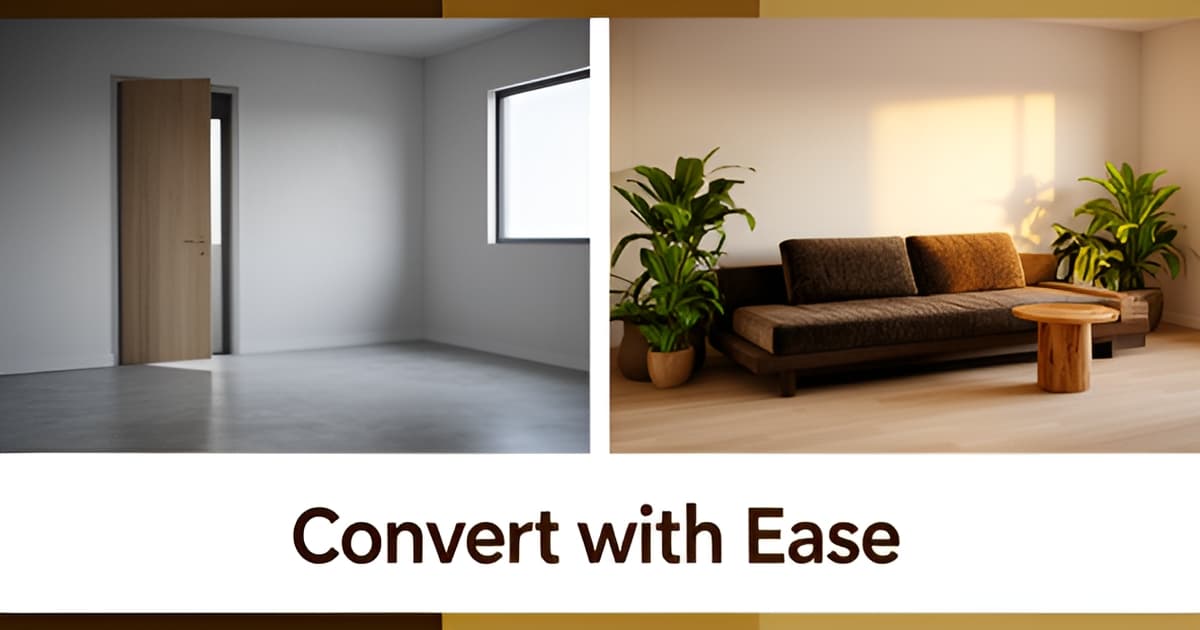
That's why Altadena Home Remodeling approaches room conversions the same way we approach whole-home remodels: scope it, price it, do it once, do it right. A free remodel-scoping consultation — including a before/after concept render of your future JADU — starts with verifying what the County requires today, not what a generic checklist says.
The Four Non-Negotiable JADU Requirements in Unincorporated LA County
If you're converting an existing bedroom, attached garage, or other interior space into a Junior Accessory Dwelling Unit in Altadena, four requirements are non-negotiable — and they're consistent whether you look at state law or LA County Planning rules, which govern unincorporated Altadena.
The four core requirements
- 500 square feet maximum. A JADU is like a full ADU but capped at 500 sq ft — anything larger requires the full ADU process.
- Location within the main home. State law (Gov. Code 66333) requires the unit to sit entirely within the walls of an existing or proposed single-family house, including an attached garage.
- A separate exterior entrance. This is a building-envelope change, so it must be shown on your permit plans.
- An efficiency kitchen. A full kitchen isn't required — a sink, appropriately sized counters and storage cabinets, and small appliances like a microwave or hot plate on a 240-volt outlet will do. No full range or standard oven needed.
The bathroom decision — and its owner-occupancy catch
A JADU may share a bathroom with the main house, provided it also has an interior door connecting to the home. But under AB 1154, effective January 1, 2026, sharing a bathroom triggers an owner-occupancy requirement. Give the JADU its own bathroom, and that requirement disappears. For Altadena homeowners who plan to rent the unit while living elsewhere, that distinction matters.
The garage-parking caveat
JADUs generally require no parking and no separate utility connection fees. One caveat surfaces if you're converting a covered parking structure: some guidance indicates a replacement off-street parking space may then be required. Because LA County's ADU ordinance is actively being amended, verify the current rule with the County before finalizing plans.
Deed restriction and rental terms
Every JADU must record a deed restriction prohibiting its separate sale from the main home — you're adding a unit, not creating a condominium. Rentals must run 30 days or longer; short-term rentals are prohibited.
The good news: because everything happens inside existing walls, you avoid new foundations, exterior walls, roofing, and utility trenching — the reason JADU conversions typically run $40,000–$80,000 across California, versus $150,000–$500,000+ for a full detached ADU, according to conversion cost benchmarks. At Altadena Home Remodeling, we scope JADU conversions the same way we approach whole-home renovations: confirm current County requirements first, design around the four requirements above, and price the real work — including fire and sound separation at shared walls — before construction begins. If you want a realistic scope and budget for your space, our free remodel-scoping consultation includes a before/after concept render, with work performed by JMB Builders LLC (CSLB #1103479).
What It Actually Costs: Realistic Budgets for a Room-to-JADU Conversion
The sticker price of a room-to-JADU conversion is only the beginning — in a 1920s Altadena home, the walls have opinions, and they show up on the invoice. Budget for the surprises now, and the project won't stall later.
Here's the honest math. California benchmarks put interior JADU conversions at $40,000–$80,000, or roughly $80–$160 per square foot, according to contractor cost data. That's a fraction of a full ADU, which runs $150,000–$500,000+ at $250–$450 per square foot. These are statewide benchmarks, not Altadena-specific figures — no local cost data exists in the sources, and LA County's ordinance is still being amended, so treat them as planning ranges rather than quotes.
Why the gap? A JADU is built within existing walls, so you avoid the expense of a new foundation, exterior walls, roofing, and utility trenching, as JADU cost analyses point out. A detached ADU starts around $400 per square foot, and even a two-car garage conversion can hit ~$400 per square foot, or $120,000–$150,000, per ADU conversion guidance.
The real budget risk for Altadena homeowners sits in the hidden costs that older homes surface mid-project:
- Sewer lateral replacement: $15,000–$20,000 if the line hasn't been replaced in 20 years — often required as part of a conversion, per conversion planning experts.
- Electrical panel upgrades: many older houses still run on 75-amp service, which can't support a second unit's kitchen circuits.
- Fire and sound separation: shared walls and ceilings between the JADU and main house must be fireproofed and soundproofed — and basic fire-rated drywall alone doesn't meet the requirement.
That last item deserves emphasis. ADU industry guidance warns that "many contractors assume basic materials like fire-rated drywall and insulation suffice — this is incorrect," and conversions adjacent to kitchens may require removing backsplashes or cabinets to achieve proper separation. In a Craftsman-era Altadena home, that means opening plaster walls you hoped to leave untouched.
The value-engineering advice from architect Alex Tzang applies directly here: don't move plumbing from existing locations, plan around existing window openings, and keep the design simple. "Limit what you are undoing and maximize what you are creating" is the preserve-first principle we apply at Altadena Home Remodeling to every scoping conversation — it's how you keep a conversion budget near the low end of the range instead of drifting toward detached-ADU territory.
If you're weighing a JADU against a larger project, a free remodel-scoping consultation with a before/after concept render can surface these hidden costs before you commit a dollar to construction.
Permits, Fees, and the Preserve-First Way to Design Your JADU
Here's the good news first: because a JADU lives entirely inside your existing walls, the permit path in unincorporated LA County is one of the lightest in California housing law. Altadena homeowners avoid the discretionary hearings and endless conditions that older neighborhoods often fear.
State law requires local agencies to approve or deny ADU and JADU permits within 60 days, down from the previous 120, and JADU permits move through a simplified ministerial review — architectural plans showing the unit layout, fire separation details, and the new exterior entrance, with no separate utility connection permits required. LA County Planning also offers a Standard ADU Plans Program with free catalog plans to speed review further.
The fee relief is just as significant:
- No parking requirement — though one source notes a replacement off-street space may be requested when converting a covered parking structure, so confirm before converting an attached garage.
- No separate utility connection fees may be charged.
- No impact fees — ADUs under 750 sq ft are exempt under SB 13, and every JADU sits below the 500 sq ft cap.
One obligation does follow the permit: a recorded deed restriction barring separate sale of the JADU, and rentals must run 30 days or longer. Note that LA County's ADU ordinance is actively being amended, so verify current rules before finalizing your scope.
For Craftsman-era Altadena homes, the permit path is only half the equation — the other half is value engineering. Architect guidance from ADU industry webinars is blunt: don't move plumbing from its existing location, plan around existing window openings, and minimize demolition. As the advice puts it, "limit what you are undoing and maximize what you are creating."
That renovate-over-demolish philosophy is exactly how we approach JADU conversions at Altadena Home Remodeling. Keeping the efficiency kitchen near existing plumbing and the bathroom where the wet wall already sits preserves original millwork, plaster, and window casings while cutting costs toward the lower end of the $40,000–$80,000 range typical for interior conversions in California.
Budget for the hidden items older homes surface: fire and sound separation between units (basic fire-rated drywall alone often fails code), possible electrical panel upgrades on aging 75-amp service, and sewer lateral replacement at $15,000–$20,000 if yours hasn't been done in two decades. Scoping these upfront is how you price it once and do it right.
Scoping Your JADU the Right Way: A Room-by-Room Starting Point
Not every room in your house converts to a JADU equally well — and choosing the wrong one is the most expensive mistake you can make before a single wall opens. The good news: because a JADU lives entirely within your existing walls, you avoid the cost of a new foundation, exterior walls, roofing, and utility trenching, making it what one analysis calls the most affordable way to add housing in California.
Start by sizing up your candidates. A JADU caps at 500 square feet and must sit within the main home, per LA County Planning — so an extra bedroom, master suite, or attached garage all qualify on paper. Each has trade-offs worth weighing before you commit.
- Extra bedroom — Usually the cheapest path: plumbing stays close, and interior JADU conversions typically run $40,000–$80,000 in California markets (versus $150,000–$500,000+ for a full detached ADU).
- Master suite — Often already near the right size, but you'll need to add an exterior entrance, which must appear on your permit plans as a building envelope change.
- Attached garage — Great footprint, but note one source flags a possible replacement parking requirement when converting covered parking, and garage conversions touching the main kitchen may require removing cabinets or backsplashes for fire and sound compliance.
- Basement — Solid square footage, but conversions in garages and basements may need shear wall retrofitting, and older homes often sit on 75-amp panels that require an upgrade.
Before you fall in love with a layout, run the pre-scoping checklist. First, verify current County rules — Altadena is unincorporated, so City of LA guidance doesn't apply, and LA County's ADU ordinance is actively being amended. Second, confirm your electrical panel capacity; panel upgrades are a common surprise on pre-war and Craftsman-era homes. Third, assess fire and sound separation: shared walls and ceilings between units must be properly fireproofed, and as one ADU expert warns, many contractors incorrectly assume basic fire-rated drywall and insulation suffice.
Altadena Home Remodeling offers a free remodel-scoping consultation that walks through exactly these questions — which room wins, what the County currently requires, and what hidden costs like sewer lateral replacement ($15,000–$20,000 if yours hasn't been done in 20 years) might add. You'll receive a before/after concept render so you can see the conversion before committing. Our featured builder for this guide is JMB Builders LLC (CSLB #1103479), an Altadena-based licensed general contractor building ADUs, custom homes, and Eaton Fire rebuilds; their placement in this article is a paid arrangement, and no timeline or permit outcomes are guaranteed. Scope it once, price it honestly, and do it right.
Your JADU, Scoped Right the First Time
A room-to-JADU conversion is Altadena's most affordable path to a legal second unit: built within your existing walls, capped at 500 square feet, requiring only an exterior entrance and an efficiency kitchen, and typically costing $40,000–$80,000 — a fraction of the $150,000–$500,000+ price tag on a detached ADU, per California conversion benchmarks. The smart play is preserve-first: keep plumbing where it sits, work around existing windows, and budget upfront for the surprises older homes hide — fire and sound separation, aging electrical panels, and a possible sewer lateral replacement. And because Altadena sits in unincorporated LA County, where the ADU ordinance is actively being amended, verify current County rules before committing to any design. Your next step is simple: book a free remodel-scoping consultation with Altadena Home Remodeling. You'll get a realistic budget, a before/after concept render of your future JADU, and honest answers about which room in your house converts best — so you scope it once, price it honestly, and do it right.